
The Attack on Iran: A Gross Violation of International Law
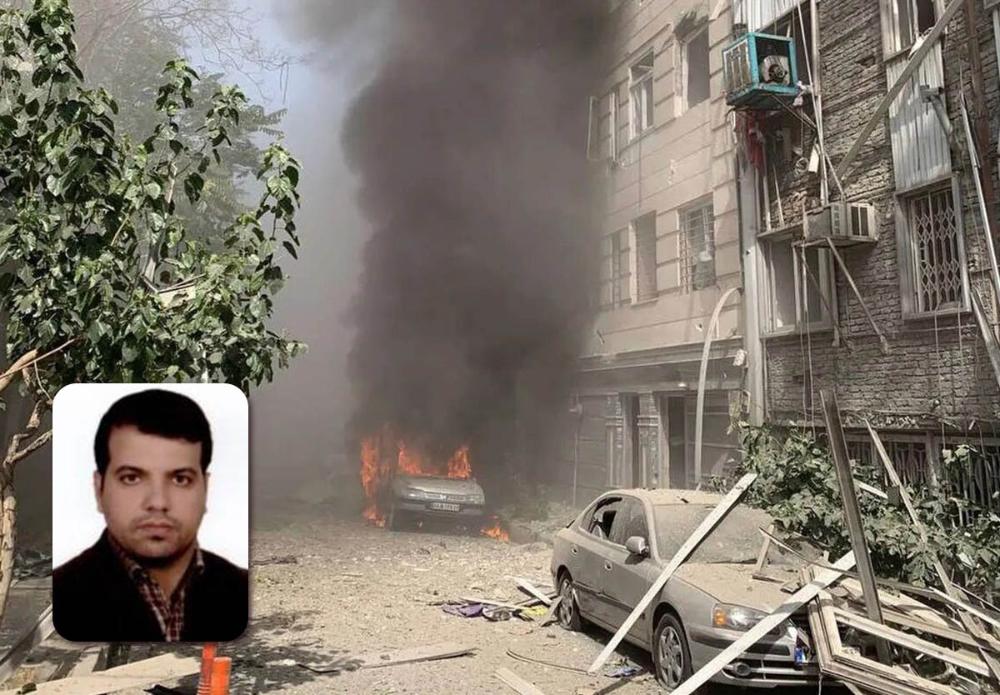



The attacks by the Israeli regime and the United States regime constitute gross violations of the rules of international law. These violations encompass the following:
-
Violation of Article 2, Paragraph 4 of the United Nations Charter regarding the prohibition of the threat or use of force.
-
Violation of the laws of war through attacks on safe and civilian zones, such as residential areas and schools, as well as engaging in non-combat warfare against Iranian vessels.
-
Violation of the immunity of state leaders and the execution of extraterritorial actions in this regard.
-
Violation of the rules of the law of the sea concerning straits, specifically the Strait of Hormuz.
-
Threats to attack energy infrastructure.
-
Attacks on Iran's enrichment sites in contradiction to safeguard obligations and the Statute of the International Atomic Energy Agency, among others.
The documentation for each of these points and their detailed accounts can be presented in subsequent communications.
Conformity of the Attack on U.S. Bases in Neighboring Countries: A Legal or Illegal Action
In the approximately one month since the initiation of the war by the Israeli and U.S. regimes against our country, a serious question has occupied the public mind: to what extent are actions against countries such as Bahrain, Kuwait, Qatar, and the United Arab Emirates compliant with the standards of international law? Initially, it is necessary to cite statements by Trump regarding the assistance provided by Bahrain, Kuwait, Qatar, and the United Arab Emirates, which serves as documented evidence confirming Iran's claim regarding the role of these four countries in the current war. In this regard, the argument of our country's officials has generally been that attacks were launched against us from these countries; in response, the relevant countries appealed to the Human Rights Council and passed their claims in the form of a resolution. However, what are the provisions of international law? According to international law under UN General Assembly Resolution 3314, if an attack is carried out against another country from territory made available by a state, this attack is also defined as aggression. This implies that in addition to the validity of attacking the Israeli regime and the forces of the U.S. regime, attacks can be launched in self-defense against any location from which aggression against Iran is facilitated. Furthermore, it can be noted that during the definition of aggression in 2010 and 2017, the legal conviction (opinio juris) of states regarding Resolution 3314 was explicitly reaffirmed, placing the crime of aggression within the jurisdiction of the International Criminal Court. Of course, it is noted that despite this provision, jurisdictional and practical obstacles exist regarding the ICC's adjudication of the crimes of the aforementioned regimes. As a final point, it is hoped that our country's diplomatic apparatus will cite the above legal reasoning to justify the attacks on U.S. bases.
Mehdi Hatami
Associate Professor, Department of Law, University of Kurdistan


Quick Links
Electronic Services
Useful Links


University of Kurdistan, Pasdaran Boulevard, Sanandaj, Iran

Postal Code: 6617715175

Phone: +988733664600-8

Email: info@uok.ac.ir


site visit
- today:
- yesterday:
- all:
Last Update
20 Apr 2026 - 10:19:48